Where Does the Rain Go? Lawn vs. Rewilded Yard
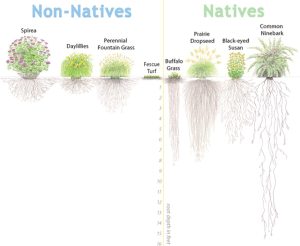
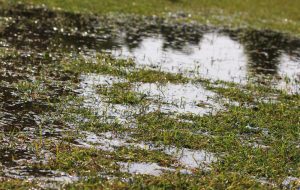
When rain falls on a typical mowed lawn, much of it flows straight off the surface rather than soaking into the ground. Most lawns are prone to runoff due to their compacted soils and shallow-rooting turf grass — roots often only an inch or two deep — which severely limits how much rainwater can infiltrate the soil. WeConservePA Library
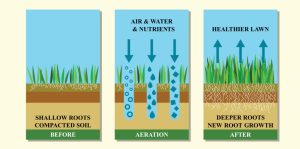
A rewilded yard works very differently. Native plants and trees increase water infiltration rates by breaking up the soil with their roots, and are incredibly effective at slowing down rainwater, giving it ample time to be absorbed. Tree canopies catch rain and hold it before it drips to the ground, while plants’ foliage acts as a natural barrier that slows water enough for it to be absorbed efficiently before flowing into a drain. Yardzen
A typical lawn of turfgrass has roots an inch or two deep, but some native plants can have roots up to sixteen feet deep — creating natural channels that draw water down into the soil and replenish groundwater supplies. Wisconsinacademy
The difference adds up. The looser soil and extensive root systems of meadow species increase rainwater infiltration, which recharges groundwater supplies and supports stream flow during dry seasons. Meadows are more effective than lawns at absorbing stormwater and preventing flooding. WeConservePA Library
There’s a pollution benefit too. Meadows reduce stormwater runoff by filtering rainwater through deep root systems that trap sediments and pollutants, rather than washing fertilizers and pesticides into nearby waterways as conventional lawns often do. Earth Day